Tag: CIAM
-

Taking the Risk out of Customer Identity Migration
When it comes to Customer Identity integration, Migration is an almost inevitable part of the journey, and one that can be a challenging and risky prospect if not approached in the right way. In this article, I’ll be discussing what you’ll need to consider in order to make your transition as smooth as possible.
-
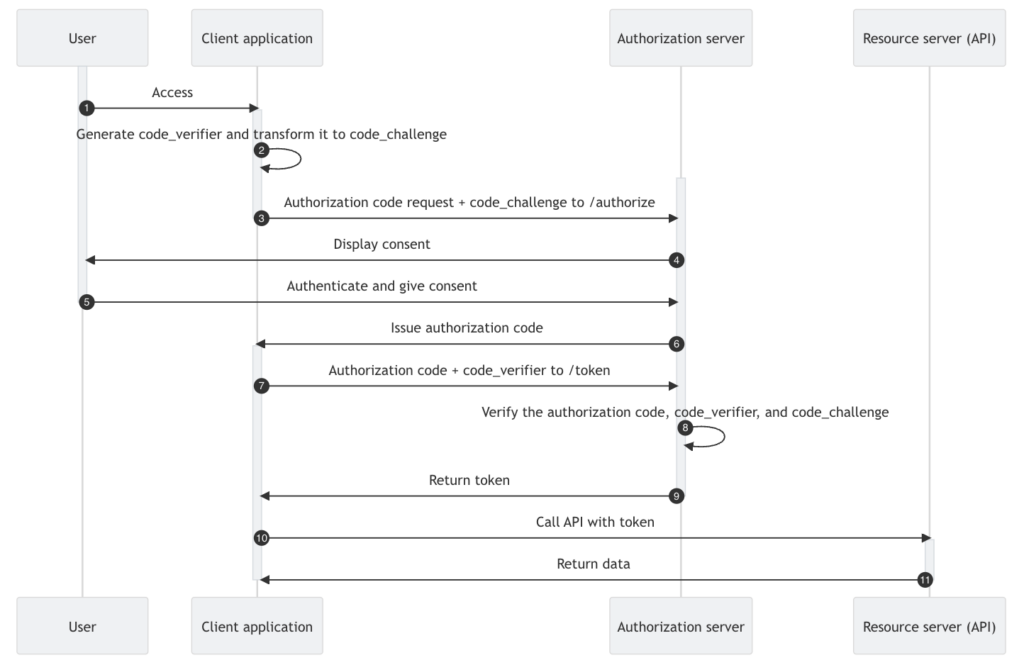
Single Page Survival When Integrating With OAuth 2
Whilst the SPA paradigm has grown in prominence over the years, little has changed in the guidance provided for integrating Customer Identity. With the necessity to provide a compelling UX, whilst protecting from attacks like XSS, this article introduces the ACME pattern and how it has been designed to tackle the challenge.
-
Spotlight on the CIAM Token Storage Conundrum
Tokens lie at the heart of modern CIAM integrations, enabling scalable and secure authentication and authorization. However, their power makes them a target for attackers. Mismanaged tokens and token storage can undermine the security of even the most advanced identity systems, leaving applications and security-sensitive data vulnerable to attack.
-
AI Assist with Vibe Coded Auth for Your APIs
Microservice architectures, interconnected applications, and even AI — all enabled by APIs — mean secure access has become an increasingly complex challenge. See how Vibe coding with Copilot, NextAuth.js and Keycloak can help implement a solution using OAuth 2.0 that’s able to meet the challenge.
-
Why Account Linking Should Be Pivotal in your CIAM SSO
Account linking isn’t just a technical feature, it’s a strategic capability you’ll almost certainly want to employ. The ability to recognize and unify customer identities not only offers a competitive advantage, but in an SSO context is a necessity to unlocking the full potential of the user experience, data integrity, personalization, security, and compliance.
-
Architecting a CIAM Solution
CIAM architecture includes several core components all working together to deliver a seamless and secure experience for users. By adopting best practices in security, privacy, and user experience, B2C and B2B SaaS developers can build trust with their customers while ensuring compliance with evolving data protection regulations.
-
An API-First Approach to CIAM
Customer Identity and Access Management (CIAM) involves addressing a variety of scenarios in an increasingly complex digital landscape. Adopting an API-first approach offers several advantages, particularly when it comes to integrating with your existing management systems and doing so in the context of Continuous Integration (CI) and Continuous Deployment (CD).
-
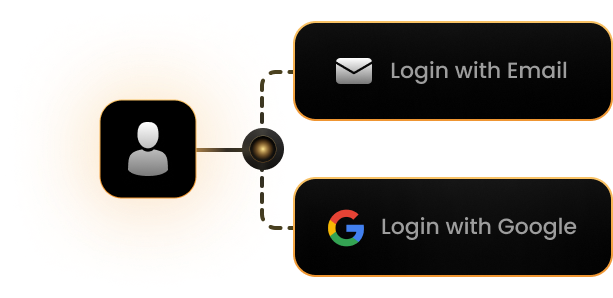
Social Authentication for Customer Identity and Access Management
Social authentication is an invaluable tool for improving user experience, enhancing security, and streamlining account management as part of a broader Customer Identity and Access Management (CIAM) solution. By offering users the ability to log in via trusted third-party platforms like Facebook, Google, and LinkedIn, businesses can reduce friction during the onboarding process, increase customer retention, and lower operational costs.
-
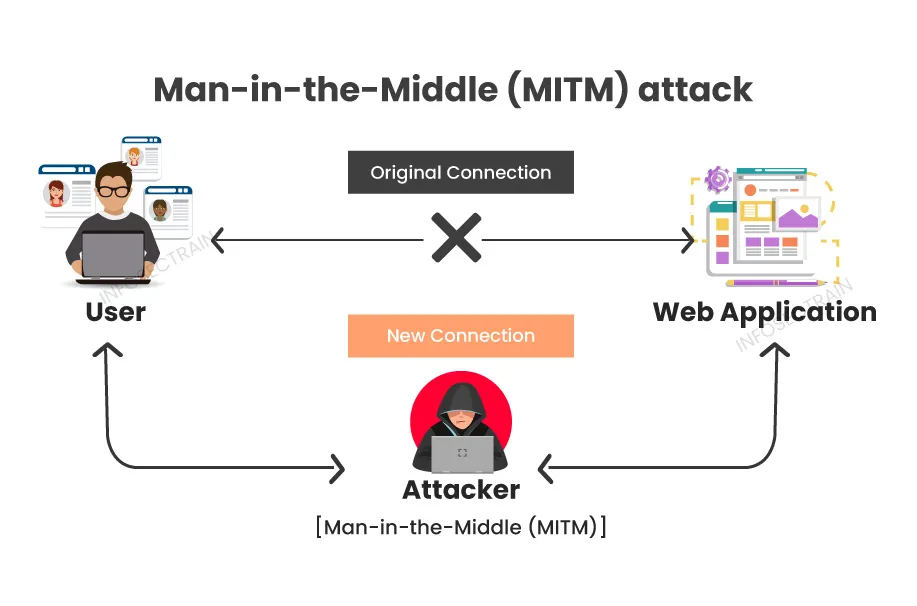
CIAM Attack Vectors and Protecting Against Them
Protecting your CIAM is critical to ensuring that customer data remains secure and that only authorized users can access services. With the increasing sophistication of cyber threats, a multi-layered security approach to prevent common attacks like credential stuffing, brute force, phishing, and account takeover is a crucial aspect of any implementation.
-
What Can CIAM Do For You?
In an era where digital interactions are paramount to business success, Customer Identity and Access Management (CIAM) has become an essential component of a secure, efficient, and personalised customer experience. By providing seamless and secure access to digital services, CIAM not only enhances security but also fosters customer loyalty with regulatory compliance.